
Many accountants treat marketing as an afterthought, something to pick up once the client work is done. In a recent episode of Between Two Ledgers, James Rose sat down with Karen Reyburn, founder of PF, a marketing agency built exclusively for accountants and bookkeepers, to talk about where AI genuinely helps with marketing and how firms can beat overwhelm by picking one or two channels instead of trying to do everything at once.
Reyburn isn't a marketer who stumbled into the accounting world. She's a CPA who moved into marketing after working as an auditor and an in-house marketing person at an accounting firm, back when almost nobody built agencies specifically for the profession. That background shows in her approach: she pushes back hard on the idea that any AI tool can run a firm's marketing on its own, and the conversation ranged from AI-generated websites to the hidden touchpoints behind every referral.
Here are some of the biggest lessons from the discussion.
ABOUT THE AUTHOR
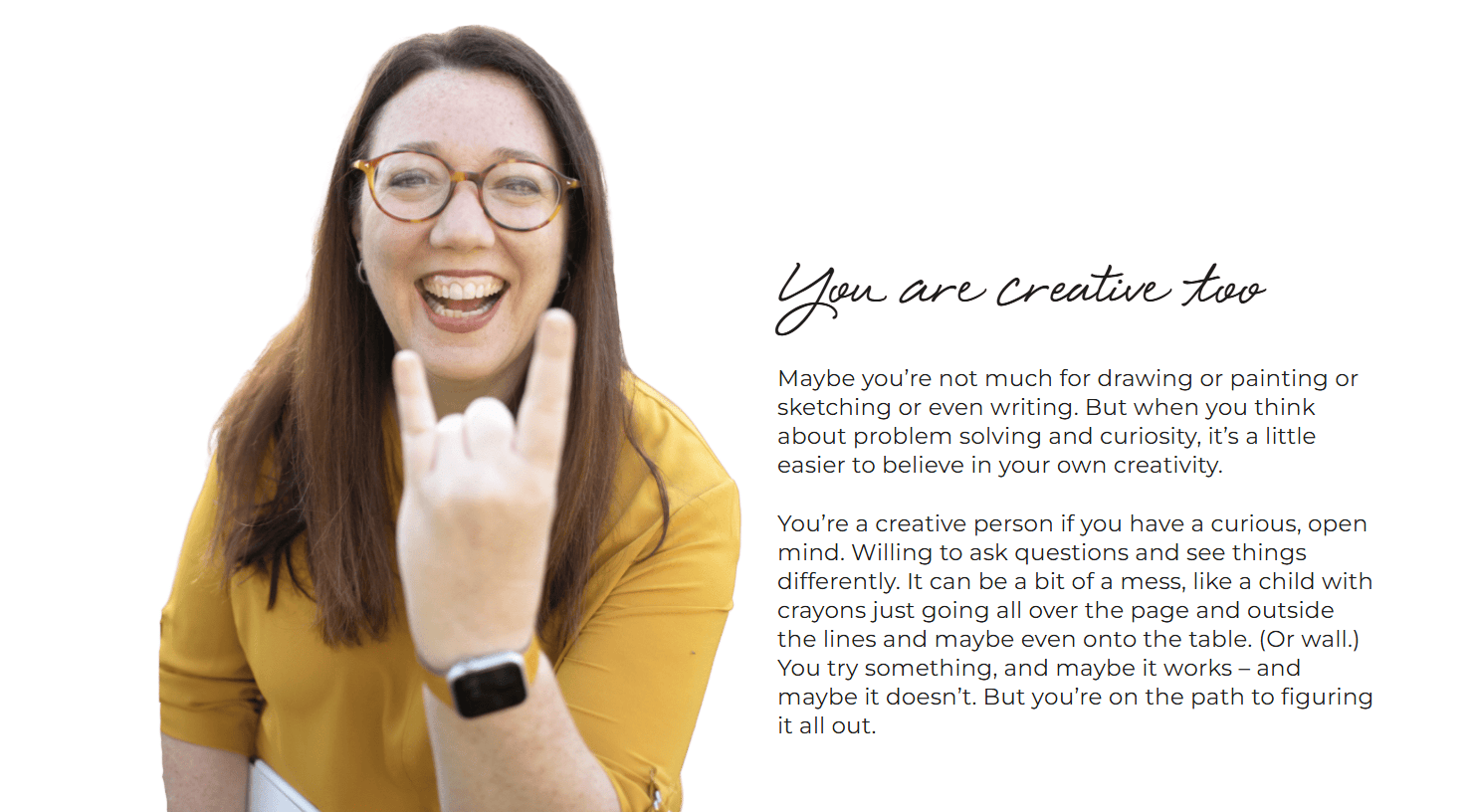
Karen Reyburn is the founder of PF, a marketing agency working exclusively with accountants and bookkeepers. She's the author of two books for accountants, The Accountant Marketer and Accountants You Are Creative, and regularly speaks and runs masterclasses on marketing for the profession.
AI can write copy, but it can't set strategy
Karen's clients increasingly show up having already built something with AI, including websites or full content plans. Her job is often less about building from scratch and more about helping firms figure out whether what they've built is actually any good. In her opinion, AI is only as useful as the thinking behind it.
It will help you move faster if you feed it a clear strategy and a real sense of who your clients are. But if you feed it a vague prompt with no context, AI will happily generate something polished that does nothing for your business. Here’s how Karen puts it:
“If you're approaching AI without a clue of how marketing works, how your client works, what your involvement is, what your expertise is, and you just ask it to generate stuff, it'll just generate stuff.”
She's blunt about the limits of AI-generated design too. For example, a firm working with tradies doesn't need a beautifully formatted PDF guide, it needs something those clients will actually read, and no AI tool can make that call without being told who the audience is first.
The 70/30 problem
One client came to Karen after running their marketing through Claude for six months, treating it as a standalone marketing advisor. Her honest assessment was that most of the advice was reasonable, but a smaller portion quietly undermined the rest - it kept producing content that looked correct but missed the mark for that client's specific audience.
“I'd say 70% of what Claude advised them was good. The problem is the 30% that was bad resulted in them getting zero impact, zero results from what they were doing.”
That gap is exactly where a strategic layer still earns its keep, whether that's a marketing person on the team or an outside partner who understands both marketing and the client's actual business.
Referrals hide dozens of hidden touchpoints
Strategy matters just as much when firms fall back on their oldest marketing channel: word of mouth. Karen estimates that around 70% of the firms who come to PF are dealing with the same issue - referrals have worked well for years but are slowing down, and the owner isn't quite sure why. She claims waiting until it becomes a real problem is risky because rebuilding momentum from scratch takes time.
“You can do it, but it's gonna take six to nine months to build that up, because you cannot build from a standing start.”
Karen also says a referral is rarely just one touchpoint. Before someone reaches out, they've usually checked the firm's website and social presence, and maybe compared it to another accountant.
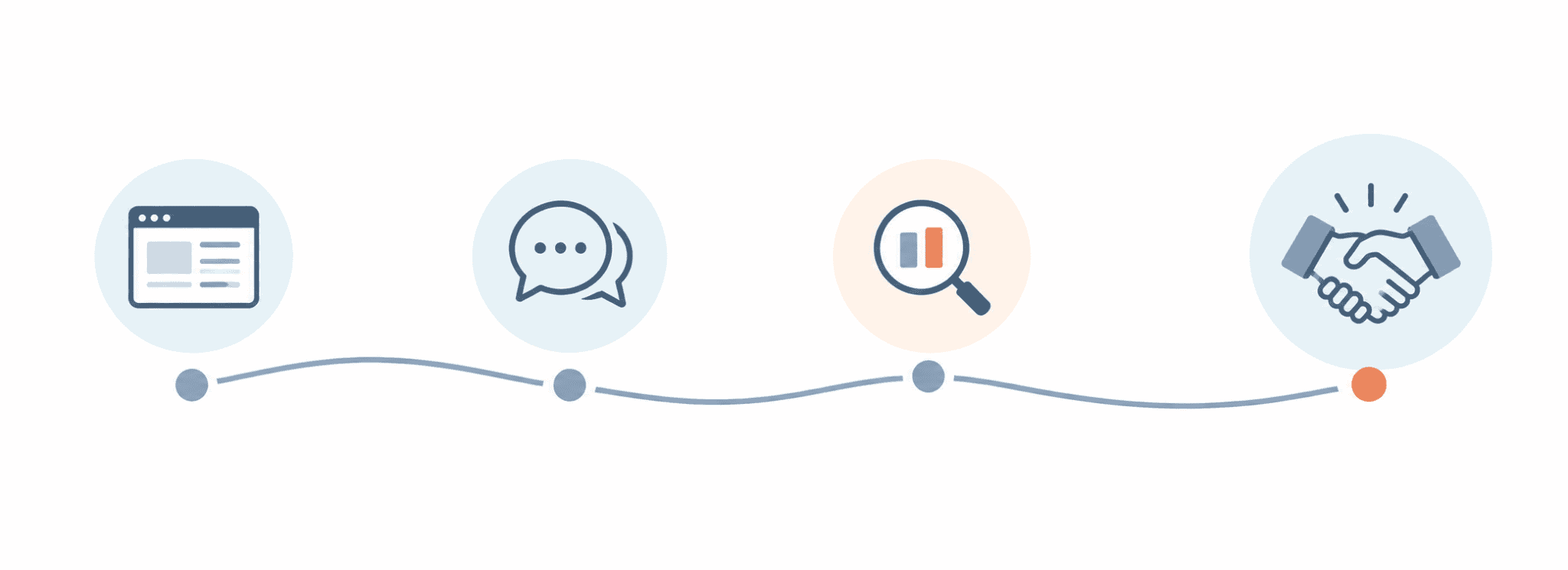
James Rose backed this up with his own experience, describing a strong lead who nearly didn't get in touch because the firm's YouTube channel looked abandoned. Karen's advice is simple: stop asking clients how they heard about the firm, and start asking what actually pushed them to reach out.
Fixing overwhelm by doing less, not more
The most practical part of the conversation dealt with a feeling most firm owners know well, which is the sense that marketing has too many moving parts to ever feel caught up. Karen's answer isn't a longer to-do list, it's a shorter one:
- Stop treating marketing as a bolt-on
- Treat marketing as a required and ongoing part of running the business
- Pick one or two channels instead of trying to cover them all
- Commit to those channels properly
- Resist the urge to abandon something after just a few quiet weeks
Karen says this kind of shift, from volume to prioritisation, is what makes overwhelm manageable.
Give channels time to work
Karen shared an example of a client who gave up on YouTube after six months with no visible return, only to get three leads in one week shortly after, each of whom mentioned watching the firm's videos. He went back to it, but the lesson stuck:
"It takes two years for their YouTube channel to deliver results."
According to Karen, some channels simply take longer than firms expect, and pulling the plug too early is one of the most common mistakes she sees.
Alongside patience, Karen points to case studies as one of the most underused assets accounting firms have. Clients don't care what a service is called internally, they care about outcomes, and hearing those outcomes described in another client's own words builds trust faster than almost anything else a firm can publish.
Overall, this episode of Between Two Ledgers makes a simple case: marketing doesn't need to be complicated, but it does need to be intentional. The firms getting real results are the ones that know exactly who they're talking to and stick with a plan long enough to let it work.