
Standing out is getting increasingly difficult for accounting firms that offer similar services and comparable technical expertise. However, some firms stick in your mind long after the first meeting, and they do it without flashy campaigns or the big spend.
Brisbane-based businessDEPOT is one such firm. Founded by John Knight, the practice built its reputation through deliberate brand experience and community-driven events. To unpack how this approach worked in practice, Between Two Ledgers invited John onto the podcast to share the lessons behind building a brand that clients, partners, and staff still remember.
We’ll share the most important insights from that conversation, and how accounting firms can apply them today.
ABOUT
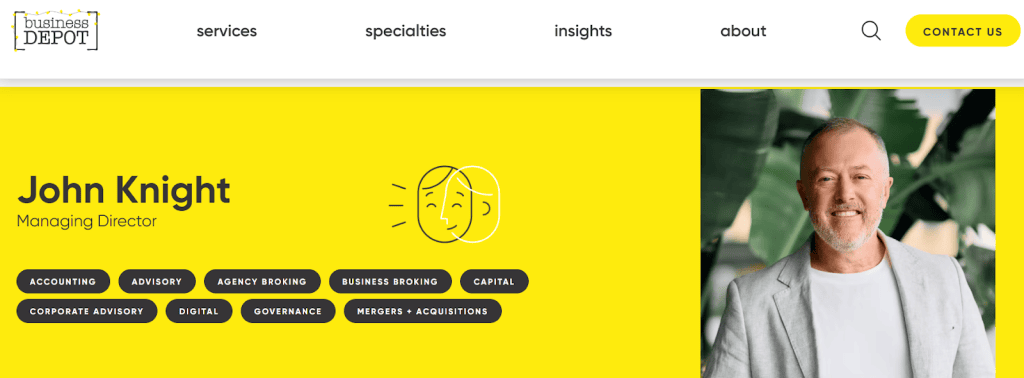
John Knight
John Knight is the founder of businessDEPOT and a business advisor recognised for helping owners think beyond the numbers to long-term value and growth.
Brand is the experience clients have with you
Most accounting firms talk about visuals and logos when discussing brand-building, but brand doesn’t live in those things alone. It also shows up in the day-to-day experience clients have when they interact with your firm. John realized this early and started treating the businessDEPOT brand as an experience, not a marketing asset.
That focus mattered because clients don’t always judge accountants on technical detail (and most can’t). What they do notice is how the interaction feels and whether the conversation brings clarity or energy. Here’s how John explains it:
“I had a client say to me: I don’t know if you do a good tax return or not, but you bring energy to the conversations we have about tax and the business.”
This is a useful reset for most accounting practices: you should create your brand through every interaction, including meetings, emails, office layout, and even how accessible you are when clients need to talk. Get the experience right, and the brand takes care of itself.
Accounting events work best when they’re about helping
Another important lesson is that too many accounting events are designed around lead generation first and value second, and it shows. The ones that actually work tend to flip that thinking - instead of selling, they focus on being genuinely useful and respecting people’s time.
That was the approach behind businessDEPOT’s events. They organise short and sharp sessions to deliver practical insights and bring interesting people together without an agenda. These events quickly became a way to build trust and community at scale simply by removing the sales pressure:
“We made the events short and punchy and gave people insights for free. It showed we were there to help.”
As a result, attendees showed up because they knew they’d learn something worthwhile, not because they were being pitched. Over time, that generosity compounded into strong brand recall and a loyal following that extended well beyond the events themselves.
Employer brand is a competitive advantage
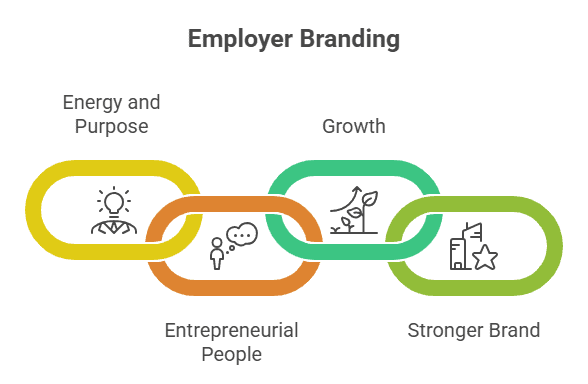
The same things that attract clients, such as energy and a sense of purpose, also attract great people. According to John, businessDEPOT paid just as much attention to how the firm felt to work in as how it appeared from the outside. That approach naturally drew in entrepreneurial team members who wanted more than a traditional accounting role, and many of them went on to do impressive things. As John put it:
“I actually get a bit proud of that. You can’t keep everybody, but knowing there are people with businessDEPOT on their resume who’ve gone on to become directors or start their own businesses, that tells me we helped inspire them along the way.”
The point is that the right people will find you if your firm stands for something internally. And even if the best talent doesn't stay forever, the impact they have while they’re there can be a powerful advantage.
Pro tip: Culture is created through daily behaviour
Culture isn’t something you set in a workshop and forget about. It’s built in the small everyday stuff like how people talk to each other or how they handle disagreements. One practical approach John shared was investing in self-awareness early, so people understood how they work and how they show up in a team:
“When you’ve got lawyers, accountants, and financial planners together, they don’t always work well together. We focused on creating a culture where people naturally want to help each other.”
In his experience, that groundwork made tougher conversations easier later and helped collaboration happen without forcing it.
Wrapping up: Strong brands evolve (and sometimes let things go)
A common trap for growing firms is holding onto ideas simply because they used to work in the past. However, what once felt right can slowly become a constraint as the business matures and expectations change. That’s why strong brands recognise this process and adapt, even when it means letting go of things that were once central to how the firm operated.
John spoke openly about this as an ongoing process rather than a clean break. Some brand promises needed to change as the firm became more performance-focused and accountable, and others simply stopped serving the business as it evolved:
“Our brand has grown up a bit, just like we have. Certain core elements are non-negotiable, but parts of our culture have changed since the early days. Some things don’t work forever, and that’s okay.”
The key is knowing what really matters and holding onto that. Everything else should be allowed to change as the firm grows up.