
According to the latest Intuit QuickBooks Accountant Technology Survey, more than 90% of accountants expect new software solutions to save them time on core compliance tasks like tax returns, bookkeeping, and payroll. But while the potential of accounting tech is clear, the reality is more complicated.
Modern practices are flooded with choices and too many decisions are made at the top without input from the people who will actually use the tools. This often results in costly software that sits underused. That’s why Content Snare invited accounting technology expert Alan FitzGerald onto the podcast to discuss how firms can avoid this problem.
Let’s take a look at his practical lessons on making smarter tech decisions that actually stick.
ABOUT
Alan FitzGerald
Alan FitzGerald is the founder of Practice Connections and a long-time specialist in accounting technology.
Why do tech decisions go wrong in accounting firms?

Technology choices are made at the top in many accounting practices: a partner or director has a conversation with a persuasive sales rep, likes what they hear, and signs the contract. The problem is that the people who will actually use the software day to day are rarely involved in the decision. Alan uses an iceberg analogy to describe this issue:
“The way software is often bought is that the boss makes the decision after talking to a sales rep, and then rolls it out. The iceberg is that the people below the surface, the staff who actually use it, are stuck with something that doesn’t fit.”
The result is that staff end up struggling with tools that don’t align with existing processes or even add to their workload. Unfortunately, few will raise their concerns openly since challenging a partner’s choice is often seen as a career-limiting move. So the frustration simmers while the expensive new system ends up sitting underused.
Lessons for smarter accounting tech decision-making
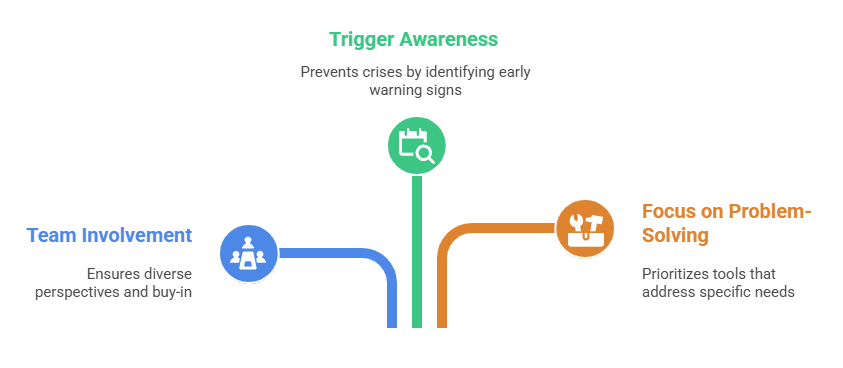
Smarter tech adoption isn’t about impulse purchases or following the crowd. On the contrary, it comes from context and collaboration. Here are three ways accounting practices can make technology choices that actually deliver on their promise.
1. Get your whole team involved
The people who use the software every day are the ones who know best whether it fits the firm’s workflows. Bringing staff into the buying process avoids costly missteps and also builds buy-in, making adoption smoother. As Alan FitzGerald puts it:
“If you buy software on a whim at the top, the team won’t use it. Everyone should have a say.”
For instance, a firm might buy a flashy practice management tool because a partner liked the sales demo, but it didn’t solve the issue of having to chase clients manually for missing documents. If the team had been consulted, they would have highlighted that document collection is their biggest pain point, which is something a dedicated information-gathering platform is designed to fix.
Related: How Liston Newton Advisory Achieved a 50% Efficiency Boost with Content Snare
2. Watch for real trigger events
Alan points out that accounting firms rarely change systems unless something is seriously broken. A failing tax platform or a practice management meltdown will quickly force action, but short of that, many firms simply carry on with what they know.
However, leaders don’t have to wait for a crisis before making a move. Even if a 15% efficiency gain doesn’t feel urgent at the moment, taking advantage of improvements like that before disaster strikes can keep the firm ahead of the curve and avoid the pain of scrambling to recover.
3. Don’t chase shiny objects
New tools can look exciting, but that doesn’t mean they’re the right fit. Alan tends to remind firms that the answer isn’t to add more complexity to internal workflows, but rather to return to basics:
“I’ll often have to say: Okay, calm down. That looks good, but let’s pull it back to basics. Is this really solving your problem, or just a distraction?”
Firms that ask this question first can cut through the noise of flashy features and keep their focus on tools that genuinely support their goals.
Pro tip: Be deliberate about accounting software discovery
Alan also points out that the most visible vendors aren’t always the best choice. For example, industry conferences showcase companies with marketing budgets and not necessarily the solutions your accounting practice needs.
That’s why it’s highly recommended to explore beyond the loudest voices by attending CPD webinars and following industry discussions on LinkedIn. In addition to that, you should take some time to experiment with free trials. What works for one firm won’t always work for another, so discovery should be a careful and deliberate process.
Agility gives smaller accounting firms room to experiment
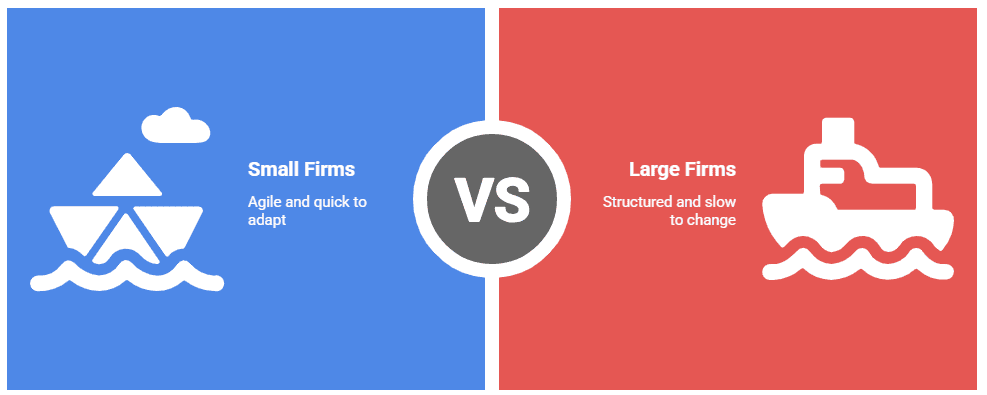
Firm size makes a huge difference in accounting tech adoption. Smaller practices can often move quickly, switching to cloud tools or experimenting with new platforms in a matter of days, while larger firms have many more layers of management, which makes every change slower and harder to execute. Alan FitzGerald sums it up with a simple analogy:
“Smaller firms are like speedboats, they can turn on a dime, while big firms are container ships that take days to change direction.”
This agility gives small firms a competitive edge. A three-person practice leaving a Big Four firm, for example, can build an entire cloud-based workflow almost overnight, taking advantage of plug-and-play solutions that were designed to work straight out of the box. For a large or enterprise-level firm, the same shift might require months of planning, change management, and risk assessments before anyone sees results.
The lesson is clear: smaller firms shouldn’t underestimate their ability to modernize quickly, while larger firms need to invest more heavily in structured change management to make sure their “container ship” can turn when it needs to.
Make technology decisions a team habit
The bottom line is that smart accounting tech adoption isn’t about chasing the newest tools. A much better approach is to review how well current systems are serving you and involve the people who use them daily. If the old way isn’t working, then it’s time to search for a new tool that solves a real problem.
The best part is that accounting practices have loads of options these days. Alan FitzGerald sums it up nicely:
“There’s never been a better time to be an accountant - software is at your fingertips, free trials let you test and switch with ease, and if something doesn’t fit, you can move on. It’s never been easier or more cost-effective to find tools that actually work.”